
Fiji vs Vanuatu: Which One for your next Holiday?
If you’re planning a South Pacific escape, you’ve probably narrowed your choices down to Fiji or Vanuatu. Both promise tropical beaches, friendly locals, and plenty of adventure, but when you’re visiting for the first time, deciding which destination is right for you can feel like a tough call.
With so many guides using the same buzzwords, it’s hard to get a clear picture of what sets each destination apart. Maybe you’re planning a honeymoon, a family escape, or a mates’ trip and want an honest comparison that goes beyond the usual travel brochure fluff.
Having travelled to both destinations, I’ve put together this guide to highlight the key differences I see between Fiji and Vanuatu. By the end, you’ll have a clear idea of which South Pacific destination is better suited to your first trip, and why.
This post may contain affiliate links that at no additional cost to you, I may earn a small commission. Please read my disclaimer, T&C’s & privacy policy here.

Fiji Vs Vanuatu: Overall Comparison!
Both Fiji and Vanuatu offer the chance to unwind in luxury, sipping cocktails by the pool, with similar price points if you stick to high-end resorts. However, the differences shine through in their attractions, ease of getting around, and the vibe you get wandering through the capital cities.
I would have no hesitation in visiting both again, but I will choose based on the activities first and what deals I can get with the accommodation.


Match with your Travel Style!
Whether you’re chasing luxury resorts, cultural experiences, or off-the-beaten-path adventures, here’s a quick comparison to help match your travel style with either Fiji or Vanuatu.
- Honeymoon – Ideal romantic setting in both destinations with stunning views and intimate accommodations.
- Diving – Fiji is known for its world-class dive sites.
- Snorkelling – Both Fiji and Vanuatu offer lovely snorkelling opportunities with clear waters and lots of sea life, but probably siding with Fiji again.
- Budget Trip – I don’t believe either is very budget-friendly, but I’m leaning toward Vanuatu due to its shorter flight time. Although you can look out for all-inclusive deals in Fiji to make your holiday cheaper overall.
- Volcanoes – This one is definitely for Vanuatu
- Waterfalls – Both locations feature beautiful waterfalls, but I found them nicer for swimming in Vanuatu.

- Active Hikers – Fiji has various hiking trails, while Vanuatu has trails leading to volcanic peaks and lookouts.
- Couple Vacation – Both countries provide getaways on the romantic side with secluded beaches and luxury resorts.
- Cultural Experiences – Both offer rich cultural experiences, including traditional village visits.
- Family-Friendly Activities – Fiji tends to have more family-oriented resorts and activities, but you can find some in Vanuatu too.
- Adventure Sports – Fiji offers activities like surfing and kitesurfing, while both countries offer zip-lining and horseback riding.
- Relaxation and Wellness – Both destinations have spa experiences, wellness retreats, and tranquil beaches for relaxation.
Need more information? Let me go into more detail here about each country.

Should you pick Fiji?(Pros & Cons)
I find that Fiji shines for travellers chasing the resort experience, sometimes a touch of luxury, and seamless logistics. If you’re after a well-developed tourism infrastructure, direct flights from major Australian cities, and a huge selection of resorts, then this is the place for you.
➡ Find Fiji Tours HERE with GYG, or HERE with Viator
I’ve personally stayed at the Crusoe’s Retreat, The Pearl Resort & Spa, Uprising Beach Resort & Club Oceanus Resort, but other popular choices include:
- InterContinental Golf Resort & Spa
- Outrigger Beach Resort,
- Radisson Blu Resort, Denarau Island
- Sheraton Golf & Beach Resort
Each of these resorts is renowned for its exceptional service, stunning beachfront locations, and world-class amenities, making them perfect choices for travellers wanting to indulge in the very best Fiji has to offer.

Fiji is especially popular with honeymooners, couples, and families, thanks to its all-inclusive packages, kids’ clubs, and reliable weather between May and October.
Scenarios where Fiji excels include group holidays where everyone wants something different, think diving with Sharks at Beqa Lagoon, spa days on Denarau Island, and village visits on the Coral Coast.
➡ Find Fiji Tours HERE with GYG, or HERE with Viator
Fiji’s tourism industry is geared for stress-free planning (especially when everything runs on Fiji Time), with airport transfers, guided tours, and well-known brands like Captain Cook Cruises providing hassle-free experiences.
Costs are more predictable, and English is widely spoken, making navigation easy.
✅ Pros
- Stunning beaches, lagoons, and coral reefs.
- Warm, tropical climate year-round.
- Friendly locals and strong sense of hospitality (“Bula Spirit”).
- Wide range of accommodation.
- Rich culture and traditions, including kava ceremonies and village visits.
- Great for families, couples, and honeymooners.
- Excellent water activities: diving, surfing, sailing, kayaking.
❌ Cons
- Long flights from many destinations (especially Europe & North America).
- Wet/cyclone season (Nov–Apr) can bring heavy rain & humidity.
- Can be expensive for resorts, tours, and dining.
- Some islands are remote and require extra flights/boat transfers.
- Limited nightlife compared to other destinations.
- Mosquitoes and risk of tropical illnesses in some areas.
- Internet and mobile coverage can be unreliable on smaller islands.

Should you pick Vanuatu?(Pros & Cons)
Vanuatu could appeal to travellers who crave something a bit more off-the-beaten-track. If you’re drawn to the cultural experiences, boutique stays, and seeking adventure beyond your resort gate, Vanuatu can deliver.
Port Vila, the capital, offers Street markets, waterfront dining, and easy access to natural wonders like Mele Cascades and the iconic blue holes of Espiritu Santo.
Vanuatu’s accommodation ranges from charming guesthouses to eco-lodges. Our last stay was at the Breakas Beach Resort, but other popular choices include :
- Warwick Le Lagon Vanuatu
- Holiday Inn Resort Vanuatu
- Iririki Island Resort & Spa
- Nasama Resort
- Ramada Resort by Wyndham Port Vila

Adventure seekers, budget-conscious travellers, and those looking for a deeper connection with local culture will find Vanuatu rewarding.
Vanuatu can be less crowded (except when you have the Carnival Encounter Cruise ship port in town), and activities like volcano hikes on Tanna, diving WWII wrecks, and visiting remote villages provide authentic memories.
➡ Search Vanuatu Tours HERE with GYG or HERE with Viator
While travel logistics require a bit more planning (and flights can be less frequent to Espirito Santo, the payoff is a destination that feels genuinely different.
If you want to escape mass tourism and discover something new, Vanuatu is worth considering.
✅ Pros
- Natural beauty with blue lagoons, volcanoes, waterfalls, and rainforests.
- Incredible adventure activities like ziplining, volcano treks, and diving WWII wrecks.
- Authentic cultural experiences with traditional villages and local markets.
- Less crowded than Fiji.
- Great snorkelling and diving.
- Short flights from Australia & New Zealand make it easy to reach.
❌ Cons
- Less developed tourism infrastructure than Fiji.
- Limited resort options compared to bigger islands.
- Roads and transport can be rough.
- Fewer international flight options compared to Fiji.
- Internet and phone coverage can be patchy, especially on outer islands.
- Nightlife is almost non-existent outside of Port Vila.

Check out my Photo Gallery Sales Page for sample tourism images needed for websites, banners, magazines articles, Marketing and/or Advertisement’s.

Which is Cheaper to visit?
When it comes to your holiday budget, Fiji generally sits at the higher end, especially for well-known resorts and all-inclusive packages. Expect to pay AUD$300–$700 per night for top resorts, with mid-range hotels averaging AUD$180–$350 per night.
➡ Search Fiji accommodation HERE with Booking.com
Meals at resorts range from AUD$30–$60 per person, while local eateries can be as low as AUD$10–$25. Activities such as island-hopping tours, diving, and cultural experiences typically cost between AUD$50 and $150 each.

Vanuatu offers more competitive prices, with boutique hotels and guesthouses starting from AUD$90 per night and luxury options ranging from AUD$250 to $400. Dining at a waterfront restaurant in Port Vila averages AUD$20–$40 per person, and local markets can provide budget-friendly meals for under $10.
➡ Search Vanuatu accommodation HERE with Booking.com
Tours and activities, such as the Blue Lagoon, cultural village visits, or volcano treks, generally cost AUD$30–$100 for a half-day experience.
Overall, Vanuatu tends to be cheaper, especially outside peak periods, and offers excellent value for those willing to explore on their own.

Fiji’s accommodation scene is dominated by large resorts and well-known international brands, such as Hilton Beach Resort & Spa and Sheraton Golf & Beach Resort. Like my first hotel stay, some of these properties cater to all-inclusive holidays, group travel, and luxury seekers.
➡ Search Fiji accommodation HERE with Booking.com
There’s also a solid choice of mid-range hotels, family villas, and private island stays. Prices vary, but the market is competitive and quality is consistently high.

Vanuatu offers more boutique options and unique stays, like eco-resorts, locally owned guesthouses, and romantic bungalows. The Havannah Vanuatu and Ratua Island Resort are favourites for couples, while family-friendly stays are available in Port Vila and Luganville.
➡ Search Vanuatu accommodation HERE with Booking.com
Prices trend lower than Fiji, and many properties include breakfast or activities in the room rate. Vanuatu’s accommodation scene feels more personal, with hosts often going the extra mile for guests.

Best Things to see & Do?
Fiji’s unique draws include the mud pool spas and the famous Cloudbreak surf break. Local businesses like Pure Fiji (natural skincare) and Fiji Rum Co. offer authentic products and tours.
In Vanuatu, don’t miss Mount Yasur’s volcano show on Tanna, the Millennium Cave adventure in Espiritu Santo, and the cultural villages showcasing kastom dances. Port Vila’s market scene and the underwater post office on Hideaway Island are unforgettable highlights.

Well, you might find it interesting that you can try Kava in Fiji and Vanuatu. However, I don’t know whether it’s prepared differently or infused with less water, but the Kava I tried in Vanuatu was definitely a stronger flavour than in Fiji.
Despite that, both Kava Tastings numbed my lips and tongue, giving the same effects.
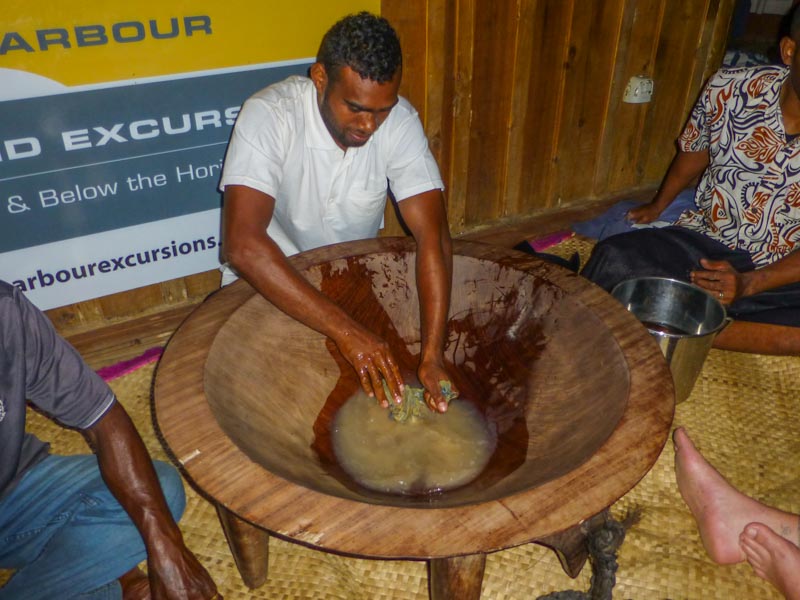
Things to Do in Fiji
From world-class beaches and coral reefs to cultural villages and adventure activities, there’s no shortage of amazing things to see and do in Fiji, discover more in my guide Is Fiji Worth Visiting & Things to Do.
➡ Find Fiji Tours HERE with GYG, or HERE with Viator
- Island hopping tours to the Mamanuca and Yasawa groups
- Traditional Fijian village visits and kava ceremonies
- Diving with Sharks at Beqa Lagoon or Snorkelling the Great Astrolabe Reef
- Relaxing at spa resorts on Denarau Island
- Surfing at Cloudbreak (expert level)
- Ziplining tours and hiking in the rainforest near Pacific Harbour
- Cruises with brands like Captain Cook Cruises
- Swimming with Manta Rays
- Golf at Denarau Golf & Racquet Club

Things to Do in Vanuatu
Whether it’s chasing waterfalls, snorkelling blue lagoons, or uncovering island culture, you’ll find plenty of unforgettable things to do in Port Vila and beyond. These include:
➡ Search Vanuatu Tours HERE with GYG or HERE with Viator
- Visit Mele Cascades waterfall near Port Vila
- Blue Lagoon Swimming
- Swim in hidden blue holes on Espiritu Santo
- Eden on the River waterfalls cascade
- Hike up Mount Yasur volcano on Tanna Island
- Snorkelling off Lelepa Island
- Diving WWII wrecks and coral reefs in Luganville
- Explore Port Vila’s waterfront markets and local eateries
- Kayaking and paddleboarding at Eton Beach
- Jungle Ziplining through the rainforest
- Cultural village tours and kastom dances
- Horse riding on Efate Island

Which has better Beaches?
Fiji’s beaches are world-famous for their accessibility and range of facilities. Resorts on the Mamanuca and Yasawa Islands boast long stretches of white sand, sheltered swimming areas, and plenty of water sports providers.
Popular spots like Natadola Beach and Castaway Island offer easy access and a full suite of amenities, from sun loungers to beachfront bars.

Vanuatu’s beaches are more varied and often more secluded. Champagne Beach on Espiritu Santo is a standout, offering powder-fine sand and calm swimming.
Eton Beach near Port Vila is favoured by locals for its natural beauty and relaxed vibe. Facilities can be limited, but the trade-off is a quieter, more intimate experience. Other beaches require a short drive or boat trip, adding to their sense of adventure.

Best Time to Visit?
You can dive deeper into the best time to check out Fiji here, but its peak season runs from May to October, with dry weather, lower humidity, and plenty of sunshine, ideal for weddings, honeymoons, and family escapes.
The wet season (November–April) brings higher temperatures and occasional cyclones, though prices drop and crowds thin out.

Vanuatu’s climate is very similar, with peak travel between May and September. However, Vanuatu sees slightly less rainfall and tends to be cooler at night.
Both destinations host annual festivals, including Fiji Day (October 10) and the Fest’Napuan music festival in Port Vila (October), which add a cultural dimension to your trip.

FAQ’s – Common Questions Asked?
Flight Time and Availability Comparison
Direct flights from Sydney, Brisbane, and Melbourne to Nadi, Fiji, take about 3–4 hours, with frequent services from Qantas, Virgin Australia, and Fiji Airways.
Vanuatu flights (usually to Port Vila) are similar in duration, about 3.5 hours, but less frequent, with Air Vanuatu and Virgin Australia providing regular service.

Flight prices fluctuate, but expect to pay AUD$400–$1000 return to Fiji and AUD$350–$900 to Vanuatu.
Fiji wins for sheer choice and flexibility; Vanuatu requires a bit more planning, especially for connections to Espiritu Santo or travelling off-season.
Both destinations offer easy airport transfers, but we always had a lot more travelling time in Fiji compared to Port Vila. Although this comes down to your accommodation location and whether you’re staying on a nearby island.

Population of Each
Fiji has a population of around 930,000, spread across more than 300 islands. The majority reside on Viti Levu and Vanua Levu, with a rich blend of Fijian, Indian, and Chinese cultural influences.
Vanuatu is home to approximately 320,000 people, mainly on the islands of Efate, Espiritu Santo, and Tanna. The islands are culturally diverse, with over 100 indigenous languages spoken.

Safety & Danger Considerations
Fiji is generally safe for tourists, with well-policed resorts and busy public areas. Standard precautions apply with securing valuables, avoiding walking alone at night in unfamiliar areas, and checking local advice on swimming conditions.
Vanuatu is similarly safe, though rural areas may lack medical facilities and some natural attractions (like volcanoes) require careful planning. Both destinations are in the cyclone belt, and travel insurance is strongly recommended.
Health risks are low, but it’s wise to drink bottled water and check vaccination requirements before travelling.
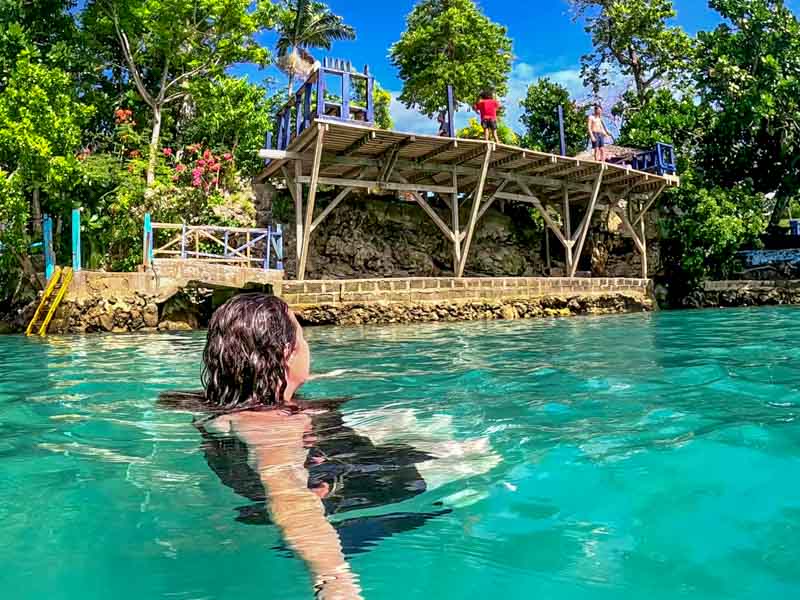
Nightlife Availability?
Fiji’s nightlife is centred around resort bars, beach parties, and organised events like fire dancing. Denarau Island and Nadi have a handful of clubs, while most evening entertainment is family-friendly or geared towards couples.
Vanuatu’s nightlife is more laid-back, with waterfront bars in Port Vila (like The Beach Bar, Anchor Inn and The Brewery Bar), live music venues, and regular cultural performances. Don’t expect big club scenes, but Vanuatu excels at relaxed evenings with local food, music, and sunset cocktails.

Ease of Island Hopping?
Fiji leads in island hopping, with regular ferries (like South Sea Cruises) connecting the Mamanuca and Yasawa groups, plus plenty of small-plane services to outlying islands.
It’s easy to visit multiple spots in one trip, and packages often include transfers.
Vanuatu’s island hopping is more adventurous with small planes and boats linking main islands, but schedules can be less predictable, and advance planning is essential. For those keen to explore beyond Efate or Espiritu Santo, Vanuatu rewards flexibility and curiosity.

Which is Better for Snorkelling and Diving?
Between Fiji and Vanuatu, Fiji generally takes the edge for diving and snorkelling. This is thanks to its world-renowned reef systems like Beqa Lagoon (Watch my video on the Shark Dive) and the Great Astrolabe Reef, which are teeming with colourful coral and abundant marine life.
The clarity of the water and sheer diversity of fish make it a top choice for underwater adventurers, and the infrastructure for dive tours is extensive.

That said, Vanuatu, particularly around Espiritu Santo Island, is well regarded by divers for its pristine sites, like the famous SS President Coolidge wreck and untouched coral gardens.
While I’ve spent more time exploring Fiji’s underwater wonders, I’m keen to check out Vanuatu’s offerings, especially since locals and travellers alike rave about Espiritu Santo’s dive spots.
It seems Vanuatu might surprise me yet, so it’s well worth considering for your next snorkelling or diving trip.

Do you need a visa?
When planning your trip, always make sure your passport has sufficient validity, as six months’ validity is the common requirement.
It’s also important to look up the latest entry rules, since the length of time you can stay visa-free often depends on bilateral agreements and can change.
Finally, be prepared to show proof of your return or onward ticket, along with details of your accommodation and evidence of sufficient funds to support your stay.
Visa & Entry: Fiji
- Citizens of Australia, New Zealand, the USA, and the UK do not need a visa for Fiji for tourist stays of up to 4 months.
- Requirements typically include having a valid passport (often with at least 6 months’ validity beyond your arrival), proof of return or onward travel, and enough funds to cover your stay.

Visa & Entry: Vanuatu
- For Vanuatu, many nationalities are granted visa-free entry, including holders of passports from Australia, New Zealand, the USA, and the UK, for tourist stays of up to 30 days.
- There are cases where a visitor visa is required for longer stays, depending on the visitor’s nationality. And proof of return travel is often asked for.

Money Saving Tips
When it comes to booking a trip to Fiji or Vanuatu, a little planning and research can save you a lot of money and make your holiday smoother. Here are some of my top tips:
- Track flights smartly – I like to stalk Google Flights or Expedia to get a feel for average flight prices and see which days are cheaper to fly. Mid-week departures are often more affordable than weekends, and setting up price alerts helps you catch sudden drops.
- Use hotel booking perks – If you’ve found a hotel you like, check Booking.com to see if it’s part of the Genius program. Sometimes you’ll score discounts, free breakfast, or even room upgrades. In Port Vila, I got free breakfast included through Genius, and it was actually cheaper than booking directly with the hotel.
- Bundle or combine tours – Research activities on GetYourGuide or Viator tours before you go. Many experiences can be combined into a single day (maybe with a private driver), saving you both time and money on transfers. For example, in Port Vila, you can pair a visit to the Blue Lagoon with Eden on the River or cultural stops.

Transport, Snacks, Off-Peak Travel
- Take advantage of local transport – Port Vila has a handy public transport system, just look for buses with a “B” on the number plate. Each ride costs around 150Vatu (about AUD $2-$3) within the city limits, making it a much cheaper option than taxis.
- Pack snacks and essentials – Groceries and imported snacks can be expensive in both Fiji and Vanuatu. Stock up at local supermarkets rather than resort shops, or even bring some of your own essentials like muesli bars or sunscreen from home. In Fiji, we ask our hotel transfer driver to stop at the Local Tappoo shops, whereas in Vanuatu, small convenience stores are everywhere and something as simple as water was a huge saving.
- Look for resort day passes – In Fiji, you don’t always need to stay at luxury resorts to enjoy them. Many properties offer day passes that include access to pools, beaches, and sometimes even meals or drinks, giving you a 5-star experience for a fraction of the cost.
- Travel off-peak – Both Fiji and Vanuatu see lower prices outside of school holidays and cyclone season. I tend to aim for shoulder months in either May–June or September–October, for the best balance of weather and affordability.

Wrap up & Read More!
I think both Fiji and Vanuatu are incredible South Pacific holiday destinations, each with their own personality. In the end, your choice between them comes down to accommodation preference, budget, and the amount of time you have available.
Whether you’re planning a honeymoon, a family escape, or a solo adventure, you’ll find memories waiting in both.
If you’re ready to dive deeper? Please check out my other articles on Vanuatu, or alternatively, all my blog posts on Fiji. These should help with your planning and research.
Otherwise, here are some more article suggestions:


