
Best Time to Visit Fiji? Seasonal Breakdown to help You Plan!
Fiji might be cool to visit If you’re looking for a tropical escape with palm trees swaying. But the phenomenal sunsets and turquoise waters don’t mean much, when the weather gets in the way. So, this is where my post below will help you find the best time to visit Fiji!
While it has relatively warm weather all year round, different seasons obviously bring a new environment, different prices, crowds and unfamiliar encounters. Just so you know, I don’t always visit any country in an ideal season (Including Fiji), but that’s never limited my enjoyment or things to do!
Therefore today’s post will detail ALL the seasons and what you can expect from each when visiting Fiji. Ultimately, helping you decide what month is the best for YOUR vacation!
This post may contain affiliate links that at no additional cost to you, I may earn a small commission. Please read my disclaimer, T&C’s & privacy policy here.

When’s the Best Time to visit Fiji?
If I had to choose the best month to visit Fiji, then it would have to be May. This ideal month is the end of the Autumn season, and after the summer rains have slowed down and tourists are starting to fly in. More importantly, special deals are advertised for this time and are often more affordable than during peak season.
⏱️ Short on Time?
If you don’t have time to read the whole post, here is a quick overview and average temperatures to help you decide YOUR best time to visit Fiji.
In general, I think the overall best time to visit Fiji would be from May to October during the Dry/Winter season. At this time, Fiji is graced with blue skies, clearest waters, low humidity, and very little rain, which can stretch into the Shoulder Seasons.
➡ Compare Fiji Tours HERE with Viator, or HERE with GYG

- Summertime from December to February will have the hottest weather, but it is prone to cyclones and heavy rain. In turn, this can also help you save money with budget deals for the low/monsoon season.
- Autumn from March to May will have the most impressive waterfalls flowing from the summer rains (more in March). Some quick thunderstorms will pass over and the average temperature will be 29°C.
- Springtime from September to November will start to warm Fiji up again. Rains will increase towards the end of the season, and still comfortable to spend extended times in the water.
If this has you intrigued, then please read on for more detailed information to help you decide the ideal time for your group.

➡ Compare prices for Fiji Accommodation HERE with Booking.com
➡Summer (December to February)
Come summer, from December to February, the sunshine and warmth are abundant, making endless outdoor activities possible. However, it’s essential to remember that while this is the official wet season, plenty of sunny days remain to be enjoyed.
Cyclones can occur during this time, so be sure to check the weather forecast before venturing out. March is the month with the most rainfall, but it’s also the cheapest month to travel. Don’t let the humidity get you down if it rains, as it’s still warm and balmy outside.

Given the chance, Fiji is worth visiting in December, and you can enjoy a Christmas vacation on the beach. After all, I did this for my first visit! Just remember that many stores close over the festive period, so plan your trip well or just hang out at your hotel.
While it may be more expensive in December, the memories you make under the sun are priceless.
After the hustle and bustle of the December holiday season and Australia’s school holidays, the tourism industry ventures into a slower period around February. This means you can snag some fantastic bargains on flights and accommodations and enjoy a peaceful, uncrowded beach away from the crowds of tourists.

Check out my Photo Gallery Sales Page for sample tourism images needed for websites, banners, magazines articles, Marketing and/or Advertisement’s.

➡Autumn (March to May)
From March to May, the weather is reasonably pleasant, with a cooling down as you enter the winter season. It’s an ideal time to experience the Fijian culture and explore its picturesque islands without the peak season crowds.
You can expect warm, sunny days with occasional rainfall or thunderstorms, especially in March and early April. But don’t let that put you off, as it’s a perfect opportunity to witness spectacular tropical storms. Therefore, just in case, pack lightly with summery clothes and rain gear.

The rainforests are known for their impressive waterfalls, and March is the perfect time to chase them. The conditions are ideal for exploration, with the moist ground and the rivers flowing. The best part? As the end of the wet season approaches, the native plants burst into bloom, creating an explosion of colours and vibrancy.
While the wet season is coming to a close, don’t be surprised by bursts of rainfall throughout the month of April. Thankfully, the rain won’t last long and will be followed by beautiful sunshine.
Kicking off in May, the warm weather and clear skies provide the perfect backdrop for exploring the great outdoors. With an average temperature of 29°C, you’ll be able to bask in the sunshine while taking advantage of heaps of outdoor activities. Of course, surfers will be in their element as the big waves start to pick up in May, offering a more secluded spot to shred some waves.

➡ Find for Fiji Tours HERE with Viator, or HERE with GYG
➡Winter (June to August)
If you’re thinking about heading in the winter, you couldn’t have picked a better time! With clear blue skies and warm temperatures, the winter season from June to August marks the start of the dry season.
You won’t need to worry about packing your winter coat either, as the nights may get a tad cooler, but all you’ll need is a light jacket. And, with only four days of rain a month, you won’t be caught out in those tropical downpours.

In June, the winds are steady, and the chances of rain are minimal, making it an ideal month for windsurfing and kiteboarding. Be prepared, though, because as peak season starts, accommodation throughout the islands may begin to fill up quickly as tourists flock to the area.
July, you’ll need to brace yourself for some competition as tourists flock to the Pacific to soak up the sun – Especially from Australia! Don’t be disheartened, though.
While many may assume that this island nation is nothing but sunshine and warmth, the reality is that August can get surprisingly chilly, with temperatures sometimes dipping down to 18°C at night.
Don’t let that scare you off, though. The 28°C in the day still feels pretty balmy.

➡Spring (September to November)
Fortunately, the September to November shoulder season tends to be pleasant overall. After a dry and slightly cooler winter, temperatures start to climb again as summer approaches.
This means that while you may encounter some rain and higher humidity levels, you can also expect plenty of sunny days and balmy breezes. Additionally, tourism tends to be lighter during this time, which means you can score fantastic deals on accommodations and activities.

If you’re looking to escape the crowds and make the most of the stunning coastline, then September is definitely the time to do it. The best part? You won’t have to battle against the humidity often accompanying it’s tropical climate.
I chose this month for one of my visits staying at the Uprising Resort on the Coral Coast and the weather was fantastic for us at this time.

September is essentially another ‘sweet spot’ month, where tourists have mostly returned home, and the rainy season is yet to begin. So it’s the perfect time to take a dip in the crystal clear waters, with the added bonus of swimming encounters with manta rays regularly gracing the coastline.
During October, it features idyllic weather conditions, and the islands are at their quietest. This gives you the opportunity to thoroughly explore and soak in the Fijian culture.
As November is the start of the wet season, you can expect a greater chance of rain, high humidity, and warm temperatures. However, don’t let that deter you from enjoying your stay! The weather in November usually doesn’t take a turn for the worse until the end of the month.

My Personal Weather Experiences!
Just for context, My first 10-day visit to Fiji was in December with lots of snorkelling and checking out the Island. Luckily, the day I flew out was the only time I saw rain for the entire time.
On another occasion in March, which happens to be a peak rainy month, was nothing but blue skies. This means you can achieve your tropical Island Paradise at any time of year – Just takes some luck!

With that said, the other seasons bring other advantages like lower prices and fewer crowds (My week visit in February was like this with only one day of rain). Obviously, this could be more important to you, and I suggest reading more into the seasons below to find out what’s best for you.
Plus, with temperatures hovering between a comfortable 22 to 28 degrees, you’ll still get to soak up all the sun and sand you desire without feeling uncomfortably hot.
So why not take advantage of the quieter resorts and an even more relaxed vibe?

Best time for cheap accommodation in Fiji?
Are you a budget-savvy traveler looking for the best time without breaking the bank? Look no further than the wet season (December to March)! While rainfall and cyclones may be a concern, the savings on flights and accommodation are too good to pass up.
➡ Compare prices for all your Fiji Accommodation HERE with Booking.com
One Christmas and New Year’s Eve holiday, I visited for a week and was pleasantly surprised, only to experience one day of rain – the exact day I left! So, Don’t let the wet season dampen your spirit, make the most of the cheaper rates and take the risk for an unforgettable vacation.

Whether you’re chasing luxury, culture, or adventure, my detailed article on Fiji vs Vanuatu travel experiences breaks down what each destination offers.
Best time to Dive or Snorkel?
I have to say that overall, I think any time of year is a good time to Dive or Snorkel, and I’ve tried in three out of the four seasons. But still, the winter season, from May to August, is considered the best time to get in the water.

Why, you ask? Well, The winter months bring about ideal conditions with less wind and rain to stir up the water. And the best part? The water temperature remains relatively constant throughout the year.
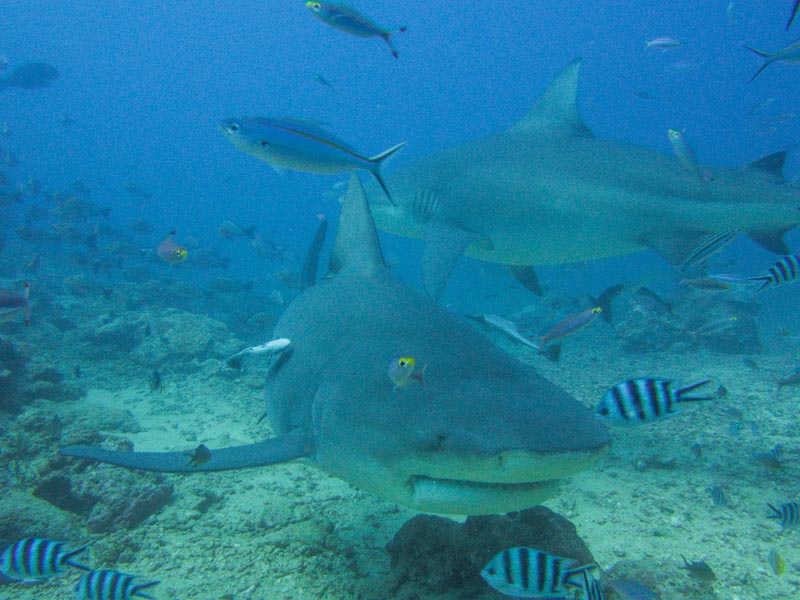
Our holiday involved snorkelling the Coral Coast and diving the Beqa Lagoon for Shark tours in March, September, November & December. As a result, there was no need to worry about chilly temperatures, and the weather was sunny 95% of the time.
Best time for Fijian Festivals?
While i’s famously known for its pristine beaches and clear waters, it’s also home to some of the most vibrant festivals in the Pacific. So, when is the best time to visit this paradise and be a part of these celebrations?
- You can’t go wrong with August, which hosts the nine-day Hibiscus Festival in Suva. It’s a community celebration with vibrant music, local food, and the crowning of the Hibiscus Queen.
- Want more? Don’t miss out on the Bula Festival in Nadi, which takes place in July/August and celebrates the rich culture.
- And for something truly unique, the South Indian Fire Walking Festival in July/August is the perfect mix of Indo-Fijian culture.
- Finally, wrap up your trip in September by joining the locals in ‘Sugar City’ (Lautoka) to party and celebrate the prosperous sugar trade during the Lautoka Sugar Festival.

Wrap-Up & Read More!
There isn’t any other place quite like it, with its locals who welcome travelers with open arms and its lush jungles filled with exotic animal life. It features countless stunning vistas that line coastlines accompanied by crystal-clear waters. It’s total paradise and might just end up being your new favourite vacation spot!
Thanks for reading this post today on the best time to visit Fiji, and I hope you found the information you were looking for. If you’re still making plans, then please check out the rest of my Fiji blogs.


