
Is the Big Island Worth it? 15 Activities that prove it for First-timers!
You might be asking, Is the Big Island worth visiting for first timers? With its reputation for long drives and fewer “classic” beaches than other islands, it’s not always clear whether the Big Island should make your first Hawaii itinerary, or be saved for later.
In deciding, you need to understand what actually makes the Big Island special. Its sheer size can feel intimidating, attractions are spread out, and first-time visitors often worry about missing highlights or spending too much time in the car.
After exploring the island myself, this guide is written specifically for first-time visitors who want honest insight. I’ll break down my favourite attractions on the Big Island and explain exactly why it’s worth visiting, helping you decide if it’s the right fit for your travel style.
This post may contain affiliate links that at no additional cost to you, I may earn a small commission. Please read my disclaimer, T&C’s & privacy policy here.

Is the Big Island Worth Visiting in Hawaii?
Absolutely Yes! The Big Island is worth visiting for the active Volcano’s, the unique black & green sand beaches, the waterfalls, culture, History and swimming with manta rays.
Even though it might not be as well sought after as some of the other islands in Hawaii, it has plenty to offer and will leave you with some fascinating memories.

⏱️ Short on Time?
If you want to quickly round down your options from todays post, this is my TOP list of “Must-do” activities, that make the Big Island Worth visiting!
- 1. Volcano National Park for lava tubes and see an active volcano.
- 2. Punaluu Black Sand Beach.
- 3. Night Time Manta Ray Snorkel or Dive
- 4. Hapuna Beach for that fun in the sun.
- 5. Booking a Luau Show for cultural food and dancing.
- 6. South Point & most southern spot of USA.
- 7. Waterfalls near Hilo.
- 🏨 Where to Stay: I recommend staying in central Kona for convenience.
- 🚗 Transport: Car Rentals are available and we picked up our from the airport.
- 🚌 Shuttle: Airport Transfers are available from Kona Airport
- 📱Stay Connected with ESim Data Plans.
If this has you intrigued, then please read on for more detailed information and plenty more attractions to see.
15 Best Things to do on the Big Island?
The Big Island is located in the North Pacific Ocean and is the largest island in the Hawaiian archipelago. Over 200 thousand people live there, mainly in the Capital, Hilo, or Kona on the west coast.
➡ Find Kona Accommodation here, or search here to stay near Hilo.
It stretches 93 miles (150 km) long and 676 miles (122 km) wide. In total, covering over 4 thousand square miles (or 10 thousand square km).
My visit was centralised around the Kona District, but still, we ventured out to the Hilo side for the waterfalls and volcano action. To make it easier, here’s a specially pinned map of all the activities talked about in todays post.

1. Waterfalls
On the rainy side of the the Island (Hilo), you can find an abundance of stunning waterfalls! From Boiling Pots to Rainbow Falls and Umauma Falls, it’s no wonder that Hilo Waterfalls are among the most photographed.
➡ Find tours to Waterfalls HERE with Viator, or HERE with GYG.
But don’t let its beauty fool you!
These powerful falls are not intended for swimming due to strong currents and slippery rocks. We stopped by Rainbow Falls, with its incredible sounds, rushing water, and the stunning natural rainbow arching across it.

2. Thurston Lava Tube
The amazing Thurston Lava Tube is one of Earth’s most unique and intriguing places. What use to be a volcanic conduit for molten lava thousands of years ago, is now an incredible subterranean cave filled with adventure and wonder.
Shaped by the same eruptions that formed the island, visiting this Lava tube is an opportunity to walk through 500-year-old natural history.
From the formation of Hawaiian islands, to rich plants, animals and devastating destruction caused by lava flows.

3. Volcano National Park
All Hawaiian islands’ history is shaped by fire, lava and made out of volcanoes. These volcanoes are remarkable because they are very far from where you would typically find them, on tectonic plate boundaries.
➡ Search Volcano or Lava Tours HERE with Viator, or HERE with GYG.
Surprisingly, we are talking 3200 km or 2000 miles away and formed because the Pacific plate moves slowly (about 4 inches per year).
One of these Volcano’s you can view almost all the time and right outside the visitor centre. This was where we had our first look at the glowing red light (as pictured below).

4. Kona Night Manta Dive / Snorkel
Do you want to swim with Giant Manta Rays? As an avid diver, this was my biggest drawcard for my visit Kona and I ended up booking 3 nights with these magnificent creatures (but you can do is as a snorkeller as well).
➡ Find Manta Ray Tours HERE with Viator, or HERE with GYG.
I have to say, after diving with mantas all over the world, this would be some of the biggest I’ve seen.
They collect in areas with high amounts of plankton, which is attracted to the operators’ lights. You float on top of the water or dive underneath to just sit there and wait for them to come past.

5. Punaluu Black Sand Beach
Punalu’u Black Sand Beach is Hawaii’s most famous black sand beach for two reasons. One for the gorgeous black sand and 2, where you can often see hawks bill and green turtles basking in the sun (and a nesting area in season).
The sand comprises of small pitch-black fragments of lava, which have been drawn in from the nearby volcanos through weather and other conditions. Honestly, I felt the Black sand was somewhat coarse and interesting to walk on.

6. Green Sand Beach
It can be a little more difficult getting to Papakolea or Green Sand Beach, but worth it all the same to see the Big Island’s second coloured sand beach. The name comes from the green olivine crystals that make up the sand that eroded from the enclosing volcanic cone.
The ocean breaks apart the green stones and crushes them into fine sand, but they are considered too fine to be gemstones. Beaches like this are very rare (only four Green Sand Beaches in the world), so it’s almost like walking on real jewels.

7. The Painted Church
The notable and beautiful Painted Church stands in the rural town of Honaunau in the Kona district. This historic catholic church’s unique aesthetic comes from intricate and colourful exterior paints that decorate its walls, columns, and ceiling.
Officially called the St Benedict Roman Catholic Church, it is said to be a 3D representation of icons.
This includes biblical scenes with stories like Adam & Eve, Jesus Christ’s crucifixion, Saints Peter & Paul, and other saints.

8. South Point
Did you know the most southern point of the United States can be found on the Big Island?
It’s otherwise known as South Point and a popular spot for sightseeing the caves system, its jagged cliffs, or jumping off (40 to 60 feet) into the beautiful waters below (sorry, but we didn’t jump).
Hold on to your hats though, as the gusty winds that sweep across the coast are unrelenting. It’s one of the windiest places in the country, and there are also giant electricity-producing windmills powered by these blustery winds.

9. Beaches
The beaches here might be different from the ones you have at home. Most are made of Black sand & crystal green sand mentioned before, otherwise, coarse white sand, coral, and even newly formed lava rocks.
Hawaii’s beaches and conditions are as unique as the island themselves.
Therefore, I suggest visiting the Ocean Safety website, which constantly monitors the beaches’ surf, wind, and conditions. It will help you locate the appropriate beach for you to visit.
Some of these include:
Hapuna Beach
Hapuna Beach is located on the northwest coast and has one of the best family-friendly locations on the Island. The beach is known for its stunning white sand beaches, turquoise waters, and lush vegetation.
It’s half a mile long and enjoys lots of sunny days throughout the year.
You also have a lifeguard on duty, and it’s really great for swimming, sunbathing, picnicking, and hiking.
Honokohau Beach
Honokohau Beach is located on the west coast of the Island and is part of the Kaloko-Honokohau National Park. The sand is made up of white and pink coral, shells, and black lava, making it an interesting addition to visit.
The swimming is calm and protected by an offshore reef, and you might also like to try some of the snorkelling. A temple (Heiau) stands on the end of the beach, and sea turtles visit to feed on the algae (limu) or bask in the sun.
Makalawena Beach
Makalawena Beach is located on the west coast of the Island and can only be accessed by hiking.
This keeps the crowds away, and you won’t regret your visit here. If you’re lucky enough to catch it on a calm day, then it’s perfect for swimming and generally safe for an isolated location.

10. Luau Shows
Cultural Luau shows are available on every Hawaiian Island.
Imagine yourself in a beautiful outdoor setting surrounded by friends, family, traditional music, and culture. All this while you enjoy delicious local cuisines such as Kalua Pig and Poi.
➡ Book Luau Dinner shows HERE with Viator, or HERE with GYG.
The thrilling entertainment includes everything from fire dancers to hula dancing. So bring your best lei and be ready to join in on the singing and games, because this is one show you won’t want to miss out on!

11. Snorkelling or Diving
If you’re searching for incredible underwater adventures, then try some of the snorkelling or diving on the island.
You can see an incredible variety of colourful marine life to majestic sea turtles, dancing dolphin pods, and sparkling coral reefs.
➡ Find Snorkel & Diving Tours HERE with Viator, or HERE with GYG.
Be amazed with a true feast for the eyes and see what this region offers along with magnificent views. But if you’re really lucky, there could be some spinning dolphins on the list, which we were lucky enough to see on our trip.

12. Ziplining
Zip-lining is an adrenalin-filled experience while gliding through the pristine air above a lush rainforest.
Treat yourself to unbeatable views of breath-taking waterfalls while feeling a thrill as you zip through tree tops, over cliffs, and around mountain ridges.
➡ Find Ziplining Tours HERE with Viator, or HERE with GYG.
It’s not only an adrenaline-packed adventure but also tons of fun!

13. Surfing
Whether you’re an experienced surfer or someone who has never been on a surfboard before, the coastline waters can be a brilliant way to enjoy your holidays.
➡ Learn to Surf HERE with Viator
Grab your board or book some beginner lessons, as there are plenty of opportunities to ride the waves and explore your skills.
Check out Kahaluʻu, Banyans, Pine Trees near Kona, or Honoliʻi near Hilo to get you started.

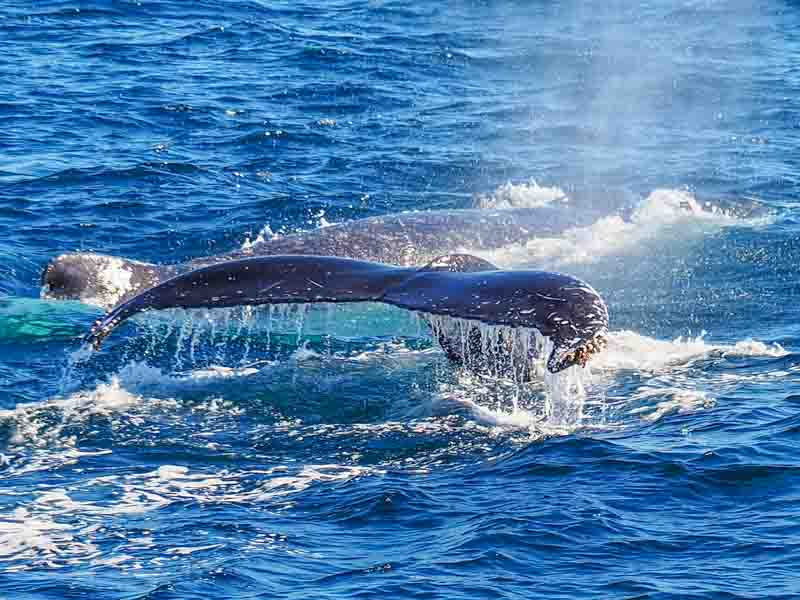
14. Whale Watching
The peak season for Whale watching is around December to April, which allows you to witness playful giants frolicking in the ocean waters.
On boat trips, visitors can expect to see humpback whales breaching, blowing, and slapping their fins on the water’s surface as they play around.
➡ Book Whale Watching Tours HERE with Viator.
Those who are lucky might even have a chance encounter with pods of dolphins or large schools of fish swimming beneath them!
15. Coffee Farms
For any coffee lover, one of the most exciting things about visiting Hawaii is learning more about coffee. You can start from the source and visit a coffee farm to get an intimate view of how coffee is made from start to finish.
Sourced from around 5500 acres of land, these farms support Kona Coffee, and are some of the most renowned in the world. Visitors can explore lush plantations where they can taste the freshness long before it reaches your cup.

Where to Stay?
This is the age-old question when trying to find any accommodation, where do you stay. I’ve always based my choice on location and how close it is to what I want to do.
For me, activities make or break my holiday, and I don’t want to spend all my time travelling.
➡ Book Kona Accommodation HERE, or Hilo HERE with Booking.com.
That said, I chose the Kona area for my accommodation at the Kona Seaside Resort. Not only was it close to the domestic airport, but also a short distance from the daily Manta diving we were doing.
It was also convenient to take a day trip to Hilo and see the Volcanoes National Park.

How to get around?
I find car hire is always the best way to get around the Big Island and visit all the hidden gems. This allows you to travel in your own time schedule, stay longer in places you need to, or have shorter stops at others.
➡Find your favourite brand & compare prices for your Rental Car HERE
However, if you’re looking for something more scheduled, there are plenty of organised day tours that you can book in advance. We chose to do a bit of both ( Car Hire & Tours), especially when tour buses won’t always go to everything.
Alternatively, if you have available time and want to stick to a budget, you can check out the public transport system.

Is it Safe to travel
Yes, I found the Big Island a safe destination for visitors, and I would visit again and again without hesitation. Still, if you’re worried about safety, you have very little to concern yourself with here!
That said, I think exercising standard safety precautions while traveling to any new country is always important. This means:
- Don’t walk around a night in dark alleys or isolated streets (especially if you’re on your own).
- Refrain from leaving your bags unattended.
- English is widely spoken if you need to ask for directions.
- Lock your door and balconies to your hotel room when away.
- Do your own research on the towns you’re visiting for up-to-date information.
- Stay inconspicuous, and avoid drawing attention to the fact you are a tourist.

Best Time to visit?
Visiting the Big Island is excellent all year round, and each season has something unique to offer. This makes it a great vacation spot, no matter what month your visit.
This ranges from white sand beaches in the warmer summer months to cooler temperatures and great hiking opportunities in the winter.

If you don’t like the crowds, then I suggest avoiding June to August, as this is the USA summer months and the busiest time on the Island. My visit was in April, and I encountered lovely warm weather but needed a light jumper for the evenings.

How many days do you need there?
When it comes down to it, 5 days basing yourself at Kona would be a nice taste tester, but, 7 days is a more ideal amount of time. It gives you enough days to dive into the culture, try as many local foods as possible, and really explore the beaches.
But if you want to take it slow or fall in love with one specific area, it’s easy to spend up to 2 weeks. One of the best things about this island is how diverse each region is, so it depends on what you want to see and do when visiting.
Is it better to stay in Kona or Hilo?
Whether you should stay in Kona or Hilo on your Hawaiian getaway, depends on the activities you’re looking for.
Hilo is known for its lush rainforests, stunning waterfalls, and volcanic activity. It is perfect for adventurous types seeking a little outdoor exploration.
Kona’s beaches, however, are renowned for their picture-perfect sunsets and fantastic tours for diving opportunities and seeing Manta Rays.

Wrap up & Read more!
So Is the Big Worth visiting? I definitely think so and hope I’ve convinced you in this post. But, If your still researching and planning, please see others here in the United States of America for inspiration.


