
7 Risks of Night Driving in Outback Queensland & Safety tips?
Driving at night in Outback Queensland can present unique challenges and potential hazards, so I would generally NOT recommend it unless absolutely necessary. However, after driving outback roads all around Australia for many years myself, it’s not to say you can’t do it at all.
Although, when you’re an overseas tourist, a first-timer to the area, or have never driven on these roads before, please consider the safety of your travelling companions, the time you have available and the other people/wildlife on the road.
To help you do that, below is a detailed breakdown of the risks and safety considerations to help you make an informed decision about your travel plans:
This post may contain affiliate links that at no additional cost to you, I may earn a small commission. Please read my disclaimer, T&C’s & privacy policy here.

7 Risks of Driving at Night in Outback Queensland
While road tripping the Outback is a bucket list experience in Australia, there are certain risks you need to be aware of. But just so you know, driving in the Day Time does pose some of the same risks mentioned below.
I will go into more detail below, but these risks include:
- Wildlife Hazzards
- Poor Visibility
- Remote Locations
- Road Conditions
- Road Trains
- Following too close
- Fatigue risks
Therefore, you can use this article to help prepare for driving in the Outback (day or night). You could also look into my other road trip planning tips for any drive throughout Queensland.

1. Wildlife Hazards
The Outback is home to plenty of wildlife, including kangaroos, wombats, emus, cattle, and I’ve even seen peacocks and brolgas wandering around.
Some of these animals are mostly active during dawn, dusk, and nighttime. As night falls and temperatures drop, they often venturing onto the roads as they search for food, water and warmth.
Interestingly, animals like emus tend to cross roads (sometimes in groups), and I’ve encountered family’s with young chicks on a major highway outside of Cunnamulla. Luckily, we weren’t going too fast at the time and I managed to snap a few pictures (So cute..LOL).

I can’t stress enough that Kangaroos, in particular, are drawn to the warm asphalt and can unpredictably jump into the road, posing a serious collision risk. While I’ve not hit one myself, I have come really close. But, I have seen the damage they can do to your vehicle and the repercussions of trying to avoid them.
Obviously, trying to avoid Kangaroos is not easily done at highway speeds, with less visibility at night!
You also need to consider that they travel in packs, and while you might be trying to avoid the first one, this could drive you straight into another one. I’ve even had an occasion where I spotted two kangaroos, and instead of bouncing off the road, they travelled along the road, so I had to follow them for over a minute (at a slow speed).

2. Poor Visibility
The Outback is sparsely populated, there is NO lighting on the roads, fewer reflective guides and minimal streetlights in the small towns, making it harder to see hazards or changes in conditions.
This includes sharp bends in the highway, unsealed road sections, navigating two-way traffic on a single-lane road, or even the animals.
Not only that, but oncoming vehicle headlights can cause temporary vision impairment due to the intense contrast in darkness.
Additionally, dust clouds on an unsealed road, will trail any vehicle up to a few hundred metres and makes it harder to see where you’re going. Sometimes you just have to hang back and wait for the dust to settle.

3. Remote Locations
In the event of a breakdown or accident, help may be hours away, and mobile reception is often limited or non-existent.
Many Outback roads are isolated, with limited passing traffic, especially at night. All this means delays in assistance, and trying to get spare parts could take days.
Do you need help planning your trip to Queensland? Book a one-on-one consultation call with me, to get your questions answered & personalised help!
4. Road Conditions
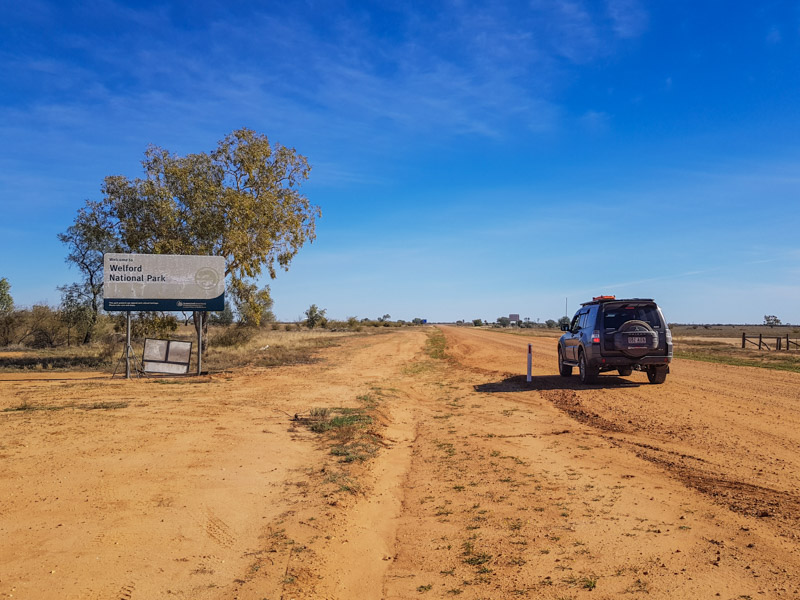
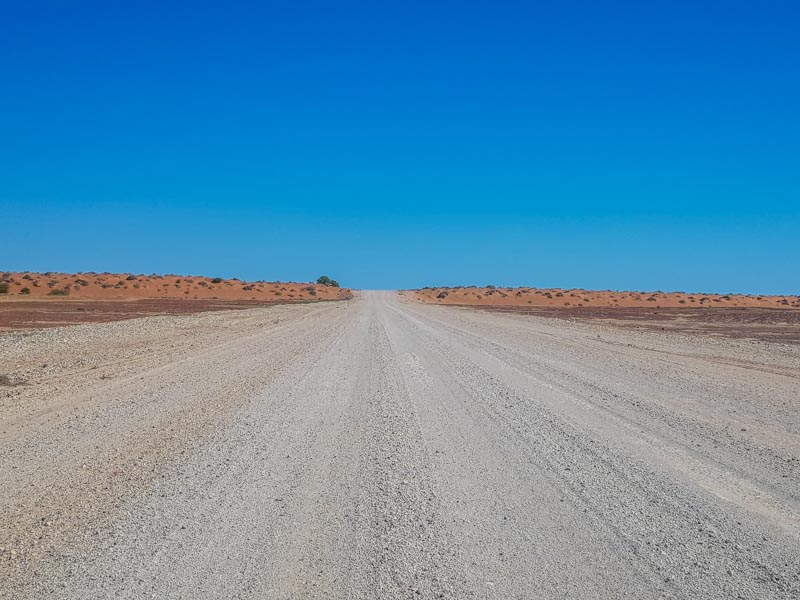
Many Outback Queensland roads are unsealed, single-lane, with loose gravel or potholes. When you add on the extreme weather patterns affecting the roads, like drought, flash flooding or debris from storms, this creates unexpected hazards.
Precarious road conditions are obviously much harder to detect in the dark. Plus, these roads are not maintained as quickly as the coastal areas, and it’s incredibly tough to stay up-to-date with current conditions.

5. Road Trains
The Outback sees a lot of road trains! Road trains are large primary movers or trucks carrying two or more trailers, which can be more that 50 meters long.
These trucks can appear unexpectedly, take longer to stop, and are much more difficult to pass for a novice Outback driver, especially on single-lane roads.

6. Following too close
Following too closely to another vehicle can cause rocks and other small items can ricochet and potentially damage your car.
This includes broken windscreens, punching the radiator, smashing mirrors and paint chips.

7. Fatigue Risks
Long distances in the Outback (or anywhere) can lead to driver fatigue, especially after a day of travelling.
Night driving exacerbates this due to reduced visibility and monotony.
Statistically, falling asleep at the wheel is a major cause of accidents in rural and remote areas.

Check out my Photo Gallery Sales Page for sample tourism images needed for websites, banners, magazines articles, Marketing and/or Advertisement’s.

11 Tips for Staying Safe on the Roads
If you must drive at night in Outback Queensland, there are a few precautions I’ve noted below that will help to reduce your risk. Again, I will go into more detail below, but these include:
- Preparing Your Vehicle
- Plan ahead & Checking in
- Ensure your covered
- Drive Slowly
- Keep your distance from other vehicles
- Use High Beam lights where possible
- Take Regular Breaks
- Check road conditions
- Carry Navigation tools
- Travel in convoys
- Carry Emergency Communication

1. Prepare Your Vehicle
Ensure your vehicle is in excellent condition. It is newly serviced by a reputable mechanic, with adequately functioning headlights, high beams, spotlights and ideally, a Bull Bar fitted.
Even better, that’s it’s a 4WD high clearance vehicle if you’re planning to drive on dirt or corrugated roads. You find a lot of prime Outback Queensland attractions will be along dirt roads.
It’s also very handy to carry a spare tyre, extra fuel, water, mechanical tools and an emergency kit (for both the car and medical issues). You would even be surprised how many times I’ve used a simple Zip Tie, for temporary fixes.
Additionally, I like to have someone in the car who is mechanically-minded, or has working knowledge of the vehicle you’re driving.
2. Plan Ahead & Check in
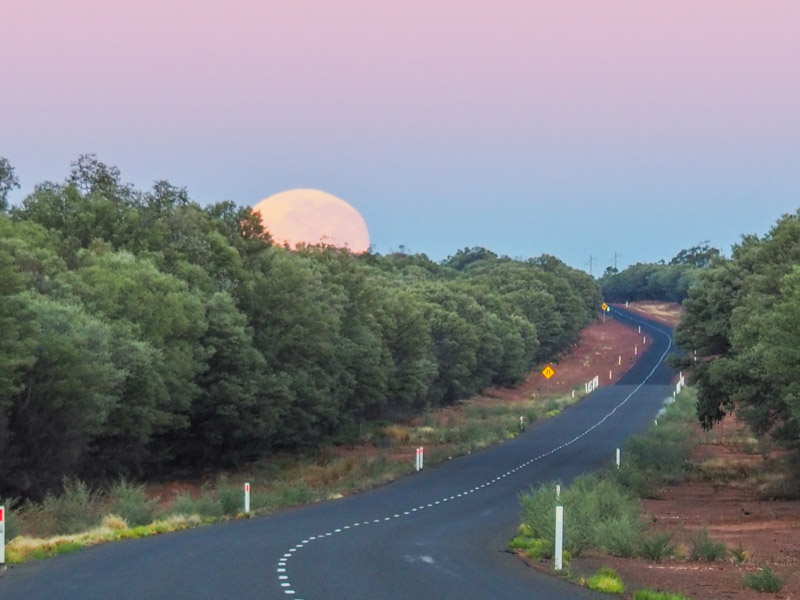
Always plan your route in advance, making sure to know key landmarks and towns along the way.
More importantly, inform your friends or family about your travel plans and expected arrival time and check in regularly with a quick text or call.

3. Ensure you’re covered
Some insurance policies or car rentals have limited allowances or increased premiums for night driving and traveling in remote areas.
Please call your insurer or rental car company to check your exact coverage. It’s better to understand your limits and restrictions and ensure you’re adequately protected in case of an accident.
4. Drive Slowly and Cautiously
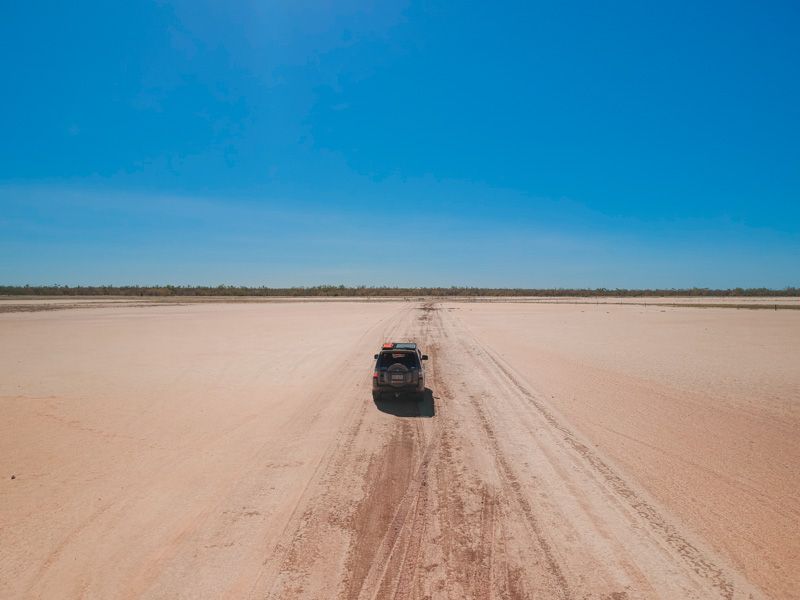
While you might be in a rush to get there, I need you to reduce speed to allow more reaction time in case of sudden obstacles or road condition changes.
Be vigilant for reflective animal eyes (especially the Kangaroo) and slow down if you spot movement near the roadside. In the few times I’ve attempted this at night, we’ve always used the two front passengers as a lookout for wildlife.
Plus, you should allow extra time in a calculated distance to account for slower driving and breaks.

5. Keep your distance from other vehicles
If you find yourself behind another vehicle, especially on an unsealed road, it’s a good idea to maintain a safe distance.
Along with being extra vigilant when trying to over-take or pass another vehicle, especially on unsealed roads.
6. Use High Beams Where Possible
When there is no oncoming traffic, use high beams to maximize visibility, but dim them for oncoming vehicles to avoid blinding other drivers.
7. Take Regular Breaks
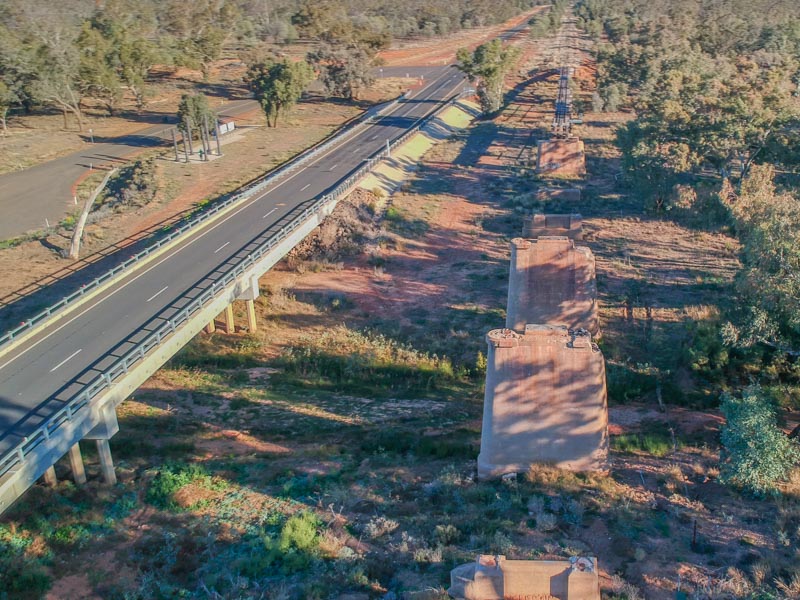
Avoid driving long stretches without breaks. Know you should be stopping every two to four hours, to ensure you stay alert.
Take advantage of the designated rest areas, roadside motels, driver reviver centres, or camping facilities to break up long night drives.
If possible, you can swap drivers to minimize fatigue.

8. Check Road Conditions in Advance
Research your route beforehand for road closures, weather conditions, or other potential hazards. This includes talking to the locals (service stations, Police station or the local pub) in each town to gauge obstacles.
I’ve also used Facebook Groups set up on area, but on the downside, it can be less accurate for current conditions.
9. Carry Navigation Tools
While a GPS (Global Positioning System) can be helpful, always carry a physical map as a backup in case technology fails or signals are lost.
To be honest, the data service is significantly lacking between towns, and Google Maps is useless. With that said, it’s hard to get lost with an overall paper map, you just need to know the direction and the next town you’re going to.
Using Hema Maps in Outback Australia is very popular and will service areas more than your standard data phones or GPS.

10. Travel in Convoys
Queensland Outback exploration couldn’t be better than being able to travel in a group. Not only for the appreciation or sharing the road trip experience, but also for safety and driving at night.
Second or third vehicles mean additional mechanical knowledge, multiple vehicles can drive for help, mutual support and better safety in numbers!
11. Emergency Communication
Carry a satellite phone or long-range radio for communication in areas with no mobile phone coverage. Know the emergency contact numbers and nearest service stations for your entire journey.
Keep in mind that in remote areas, emergency services can be stretched thin. It might take hours for help to arrive after an incident and days for vehicle damage to be fixed.
Wrap up!
In the end, if you’re a first-timer or new to these outback roads, I would always recommend planning your itinerary and journey during the day when visibility is better and wildlife activity is reduced.
While driving at night in the Queensland Outback is not inherently impossible, I hope you have a clearer understanding of the risks and how to avoid them.
The Outback’s vast, remote, and unpredictable nature demands respect and careful preparation for any journey. However, if you need help with more research and planning, please check out my other Outback Queensland posts for inspiration.
- Best Things to do in Windorah QLD
- Best Things to do in Birdsville QLD
- Charlotte Plains Station, Artesian Hot Springs near Cunnamulla
- Best Things to do in Charleville in Outback Queensland
- Is Cobbold Gorge Worth Visiting & Things to do
- Best Carnarvon Gorge Walks & Sites in the National Park
- Fun Things to do in Longreach!
- Best Things to do in Winton


